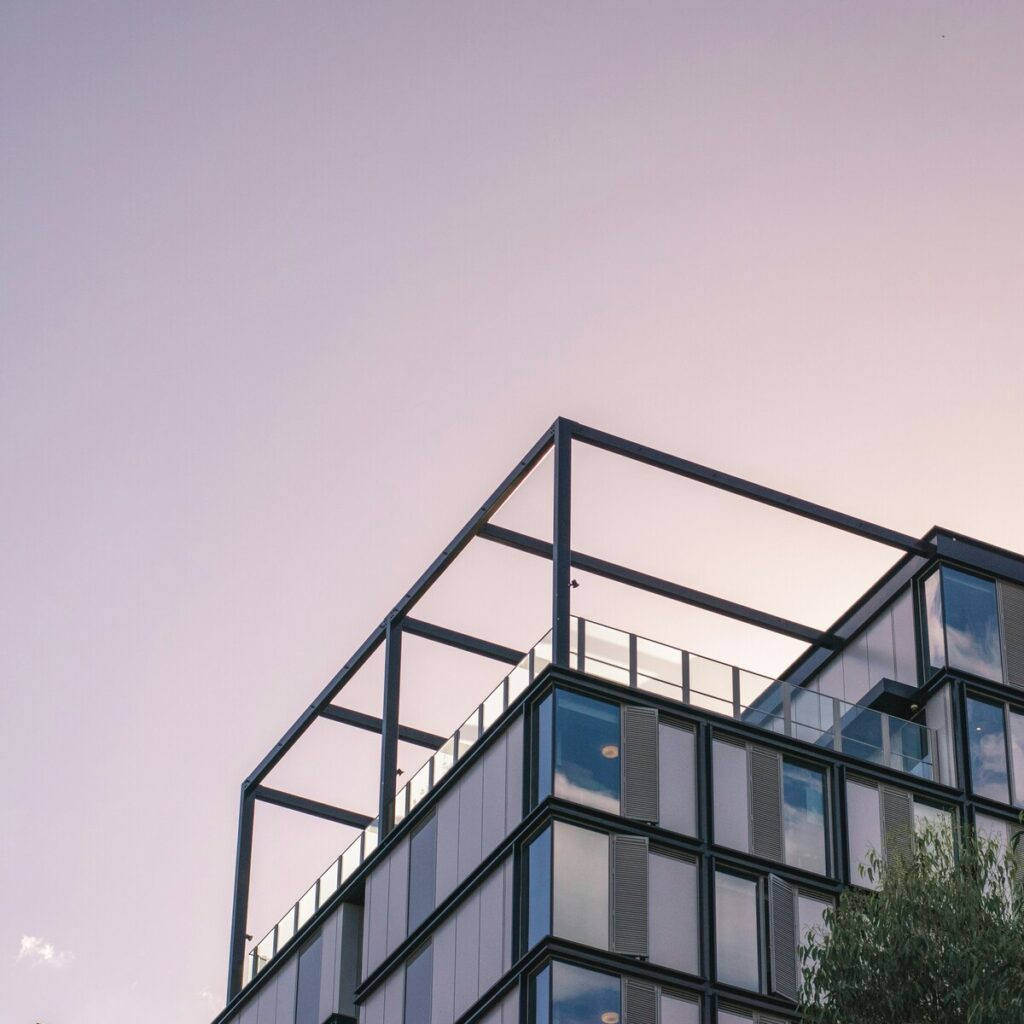
In the world of commercial real estate, the choice of building materials plays a crucial role in the success and longevity of a project. Concrete, known for its strength, durability, and versatility, has become a cornerstone material in the construction of commercial properties. From skyscrapers and office buildings to shopping centers and industrial warehouses, concrete is integral to creating structures that stand the test of time. This blog post explores the benefits of using concrete in commercial real estate, its various applications, and how it contributes to the value and sustainability of commercial properties.
The Benefits of Concrete in Commercial Real Estate
Concrete offers numerous advantages that make it the material of choice for commercial real estate projects. Here are some key benefits:
Durability and Longevity
Concrete is renowned for its durability and ability to withstand heavy loads and harsh weather conditions. This makes it an ideal material for commercial properties that require long-lasting structures capable of enduring high traffic and constant use. Buildings constructed with concrete can last for decades with minimal maintenance, providing a solid return on investment.
Strength and Stability
The strength and stability of concrete are unmatched, making it suitable for large-scale commercial projects. Concrete’s compressive strength allows it to support significant weight, which is essential for multi-story buildings and structures that house heavy equipment or materials. This strength also contributes to the overall safety and resilience of the building.
Versatility
Concrete’s versatility allows it to be used in a wide range of applications, from foundations and structural elements to decorative features and finishes. It can be molded into various shapes and sizes, enabling architects and designers to create innovative and aesthetically pleasing commercial spaces. Whether it’s a sleek, modern office tower or a sprawling industrial complex, concrete can adapt to any design vision.
Energy Efficiency
Concrete’s thermal mass properties help regulate indoor temperatures by absorbing and storing heat, which can reduce the need for artificial heating and cooling. This energy efficiency translates to lower utility costs and a smaller carbon footprint, making concrete a sustainable choice for commercial real estate projects.
Low Maintenance
Concrete structures require minimal maintenance compared to other building materials. They are resistant to rot, rust, and pest damage, which can significantly reduce long-term maintenance costs. This low-maintenance aspect is particularly beneficial for commercial properties, where minimizing operational expenses is a priority.
Applications of Concrete in Commercial Real Estate
Concrete’s adaptability makes it suitable for a wide range of applications in commercial real estate. Here are some common uses:
Foundations
The foundation is the most critical part of any building, providing stability and support. Concrete foundations are known for their strength and durability, making them the preferred choice for commercial buildings. They can support heavy loads and withstand environmental stresses, ensuring the longevity of the structure.
Example: Skyscrapers and multi-story office buildings rely on deep concrete foundations to support their immense weight and provide stability against wind and seismic activity.
Structural Elements
Concrete is commonly used for structural elements such as columns, beams, and floors. These components are essential for the integrity and stability of commercial buildings. Concrete’s strength allows for the creation of large open spaces without the need for excessive support columns, providing more flexible and functional interior layouts.
Example: Shopping malls and convention centers often use concrete beams and columns to create expansive, column-free spaces that can accommodate large crowds and varied activities.
Parking Structures
Parking structures are a vital component of commercial real estate developments, especially in urban areas. Concrete is the material of choice for these structures due to its durability and load-bearing capacity. Concrete parking garages can support the weight of multiple vehicles and resist the wear and tear of constant use.
Example: High-rise office buildings and mixed-use developments typically include multi-level concrete parking garages to provide ample parking for tenants and visitors.
Exterior Facades
Concrete can be used to create striking exterior facades for commercial buildings. Precast concrete panels and architectural concrete finishes offer a range of design possibilities, from sleek modern looks to textured, decorative surfaces. These facades not only enhance the building’s aesthetic appeal but also contribute to its durability and energy efficiency.
Example: Office buildings and hotels often use precast concrete panels for their exteriors, combining visual appeal with robust performance.
Interior Finishes
Concrete is increasingly being used for interior finishes in commercial properties. Polished concrete floors, exposed concrete walls, and decorative concrete elements add a contemporary, industrial aesthetic to office spaces, retail stores, and restaurants. These finishes are not only stylish but also durable and easy to maintain.
Example: Tech companies and creative agencies often opt for polished concrete floors and exposed concrete ceilings to create a modern, open-concept work environment.
Sustainability and Concrete in Commercial Real Estate
Sustainability is a growing concern in commercial real estate, and concrete plays a significant role in promoting environmentally friendly building practices. Here’s how:
Use of Recycled Materials
Concrete can incorporate recycled materials such as fly ash, slag, and recycled aggregates, reducing the demand for virgin resources and minimizing waste. This approach supports the circular economy and enhances the sustainability of construction projects.
Example: Green building certifications, such as LEED (Leadership in Energy and Environmental Design), often reward the use of recycled materials in concrete construction, encouraging developers to adopt sustainable practices.
Energy Efficiency
As mentioned earlier, concrete’s thermal mass properties contribute to energy efficiency by helping to regulate indoor temperatures. This can lead to significant energy savings over the life of the building, reducing its overall environmental impact.
Example: Energy-efficient concrete buildings can achieve lower operating costs and a smaller carbon footprint, making them attractive to eco-conscious tenants and investors.
Longevity and Durability
The long lifespan and low maintenance requirements of concrete structures mean fewer resources are needed for repairs and replacements. This longevity contributes to the overall sustainability of commercial buildings by reducing the need for frequent renovations and minimizing waste.
Example: Commercial buildings with concrete structures can remain functional and attractive for decades, providing sustainable value to owners and occupants.
Best Practices for Using Concrete in Commercial Real Estate
To maximize the benefits of concrete in commercial real estate projects, it’s essential to follow best practices in design, construction, and maintenance. Here are some tips:
Engage Experienced Professionals
Work with experienced architects, engineers, and contractors who specialize in concrete construction. Their expertise will ensure that the project is designed and built to the highest standards, maximizing the performance and longevity of the concrete elements.
Tip: Choose professionals with a proven track record in commercial real estate projects to ensure the best results.
Use High-Quality Materials
Invest in high-quality concrete and reinforcement materials to ensure the durability and strength of the structures. Using the best materials available will reduce the risk of future issues and enhance the overall performance of the building.
Tip: Specify the use of high-grade concrete mixes and consider additives that improve performance, such as fibers for added strength or admixtures for enhanced workability.
Regular Maintenance
Even though concrete requires minimal maintenance, regular inspections and upkeep are essential to ensure its longevity. Address minor issues promptly to prevent them from developing into major problems.
Tip: Implement a routine maintenance schedule that includes inspections, cleaning, and repairs as needed to keep concrete surfaces in optimal condition.
Conclusion
Concrete is a fundamental material in commercial real estate, offering unparalleled durability, versatility, and sustainability. Its applications range from foundational and structural elements to decorative finishes, making it an essential component of modern commercial buildings. By embracing best practices and leveraging the benefits of concrete, developers and property owners can create commercial spaces that are not only functional and aesthetically pleasing but also sustainable and cost-effective in the long run. As the commercial real estate industry continues to evolve, concrete will remain a key player in building the future of our urban landscapes.